
High triglycerides, high LDL (bad cholesterol), and low HDL (good cholesterol) levels.
These three conditions are collectively called “dyslipidemia.”
Previously, it was called “hyperlipidemia.”
Is medication necessary?
Similar to hypertension, the basic treatment for dyslipidemia is “dietary therapy” and “exercise therapy.”
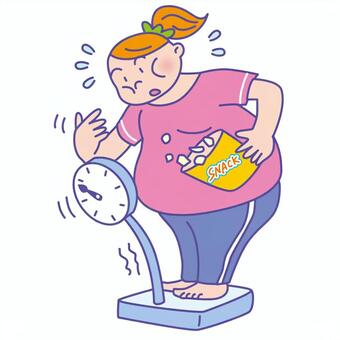
Reducing total calorie intake, limiting snacks, and incorporating exercise into daily life will lead to improvement in dyslipidemia.
On the other hand, some people have “familial” dyslipidemia.
In familial cases, the problem lies with the LDL receptor, and improvement is difficult with dietary therapy and exercise therapy alone.
Those with familial dyslipidemia may need medication.
Many young people who develop angina or myocardial infarction have high LDL levels.
For high LDL levels that do not improve with dietary therapy and exercise therapy, early introduction of medication is desirable.
Living a Longer, Healthier Life
Dyslipidemia is often neglected because it is asymptomatic, but it increases the risk of future strokes and heart disease.
Strokes and heart disease are illnesses that, once they occur, can drastically change the course of one’s life.
Let’s live a healthy life, including understanding our own health conditions.