
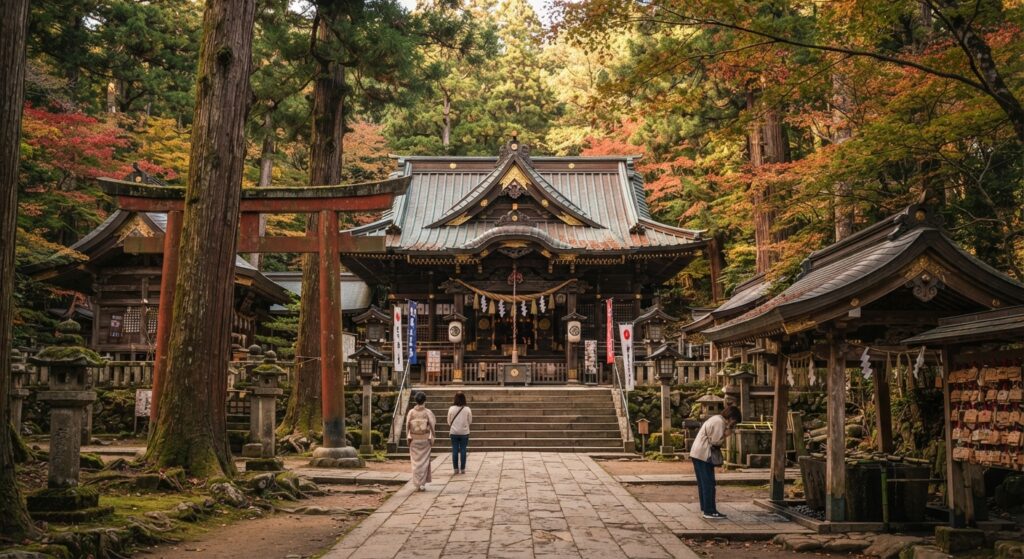
Shinto is a religion unique to Japan, and while the places of worship are known as jinja (shrines), there are actually many different types of them.
Each type enshrines a different deity and offers different spiritual benefits.
Among them, Hachiman, Inari, and Tenmangu shrines are the three most numerous types—you likely see them frequently in your own town.
Hachiman shrines (or Hachimangu) enshrine the 15th Emperor, Ojin. Because they later became the tutelary shrines of the Minamoto clan, they were deeply revered by the samurai class as deities of martial fortune.
The second type, Inari, is strongly associated with foxes, though the fox is actually a messenger for the enshrined deity.
While they are famous today for bringing business prosperity, they were originally deities of abundant harvests.
In short, as gods of both food and commerce, they have long enjoyed overwhelming popularity among the common people.
The third type, Tenmangu, enshrines Sugawara no Michizane as the deity of learning.
These shrines often bear names like “Tenmangu” or “Tenjin.”
While these three are the most common, there are actually many other varieties as well.
Examples include Suwa shrines, Kumano shrines, Kasuga shrines, and a host of others.
It can be quite interesting to learn about the origins and spiritual benefits of the shrines in your neighborhood or those you visit while traveling, don’t you think?