
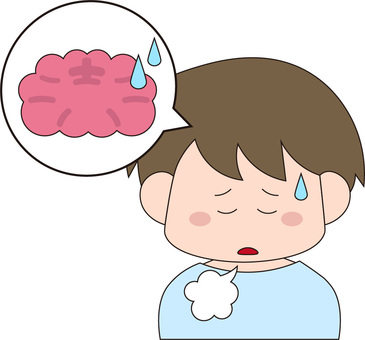
Physical fatigue is probably easy to imagine.
On the other hand, mental fatigue is surprisingly often overlooked.
“Brain fatigue” has become more common in recent years.
“Brain fatigue” refers to a temporary decline in brain function caused by overuse.
When the brain is overloaded with thinking, imagining, or experiencing emotional fluctuations such as excitement or anxiety, it can lead to a loss of concentration and decreased work efficiency.
In recent years, with the development of the internet and the widespread use of smartphones, exposure to large amounts of information has become habitual, and “brain fatigue” is on the rise.
“Brain fatigue” is something you often don’t realize unless you know about it.
Unlike physical fatigue, “brain fatigue” is often difficult to recognize.
For example, the brain is constantly burdened by rapidly changing audiovisual information from social media and games.
In other words, even without thinking about difficult things, the brain can become fatigued.
When you have “brain fatigue,” you may experience symptoms such as feeling sluggish, difficulty concentrating, or poor memory.
Many people mistakenly believe this is a problem with their own abilities.
If this sounds familiar to you, it might be “brain fatigue.”
The solution is to create time to rest your brain.
First and foremost, it’s important to create time for relaxation.
For example, try to step away from digital devices, get into a comfortable position, and, if possible, connect with nature (such as looking at mountains or feeling the wind).
Taking a long, relaxing bath or lying down to rest your body is also a good idea.